Glycerin is a natural substance found in many skincare products, but did you know you can also use it directly on your face? Glycerin, or glycerol, is a clear, odorless liquid with many benefits for your skin. In this blog, we will explore seven main advantages of applying glycerin on your face and how to use it safely and effectively.
Glycerin is one of the most effective yet gentle ingredients you can use for healthy skin, which is why applying glycerin on face has become a popular choice across all skin types. Known for its deep hydrating action, glycerin benefits for skin include smoother texture, improved glow, and enhanced moisture retention. Whether you are struggling with dryness, dullness, or uneven tone, adding glycerin for face to your routine can restore softness and radiance. Many dermatologists also recommend it for sensitive and acne prone skin, as glycerin moisturizer benefits support barrier repair without clogging pores. It works especially well for dryness-related issues, making glycerin for dry skin one of the most reliable natural remedies.
If you’ve ever wondered “Is glycerin good for skin?” the answer is yes, its humectant ability keeps the skin nourished, plump, and balanced. Even those dealing with breakouts can safely use glycerin for acne-prone skin, since it hydrates while helping regulate excess oil. Its soothing, calming action also makes glycerin for sunburn extremely effective in reducing redness and discomfort. With consistent use, the visible benefits of glycerin for skin appear quickly, resulting in glowing, healthier looking skin.
What is Glycerin and How Does It Work?
Glycerin is a humectant that attracts and retains moisture in the skin. It works by drawing water from the deeper layers of the skin and the environment and locking it into the outer layer of the skin, also known as the stratum corneum. This helps to keep the skin hydrated, soft, and supple.
Glycerin also mimics the skin’s natural moisturizing factors, which help maintain its barrier function and protect it from external irritants. Glycerin can also enhance the penetration of other active ingredients into the skin. This is why so many dermatologists recommend glycerin for dry skin, irritated skin, and even acne-prone skin.
Glycerin Hydrates and Moisturizes the Skin
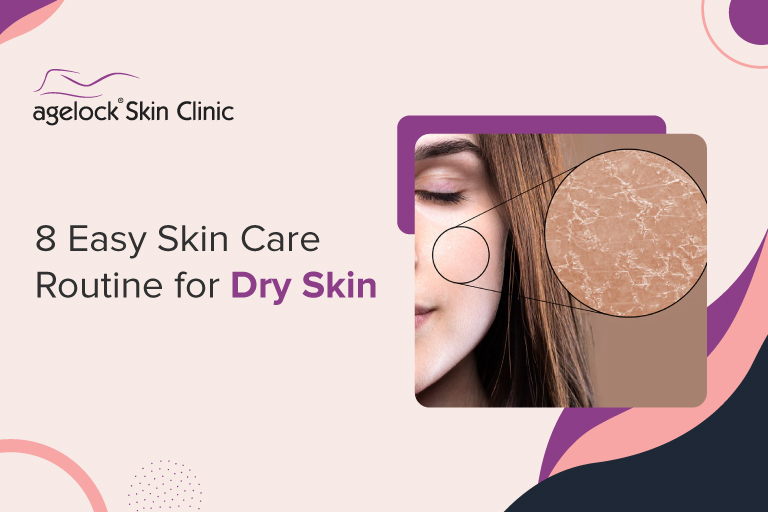
One of the most evident and essential advantages of applying glycerin on your face is that it hydrates and moisturizes the skin. Dry skin can lead to various problems, such as flaking, itching, cracking, and premature aging. Glycerin can help to prevent and treat dry skin by replenishing the moisture level and preventing water loss.
Glycerin Heals and Protects the Skin
Another advantage of applying glycerin on your face is that it heals and protects the skin from various damages and disorders. Glycerin has anti-inflammatory and antibacterial properties, which can help to reduce inflammation, infection, and irritation on the skin. Glycerin can also accelerate wound healing by stimulating the growth of new skin cells and repairing the damaged tissue.
According to the American Academy of Dermatology Association (AADA), glycerin can relieve dry skin, prevent skin irritation, and may help with psoriasis. Psoriasis is a chronic skin condition that causes red, scaly, and itchy patches. Glycerin can help to soothe and moisturize the affected areas and reduce inflammation and scaling.
Glycerin Brightens and Enhances the Skin
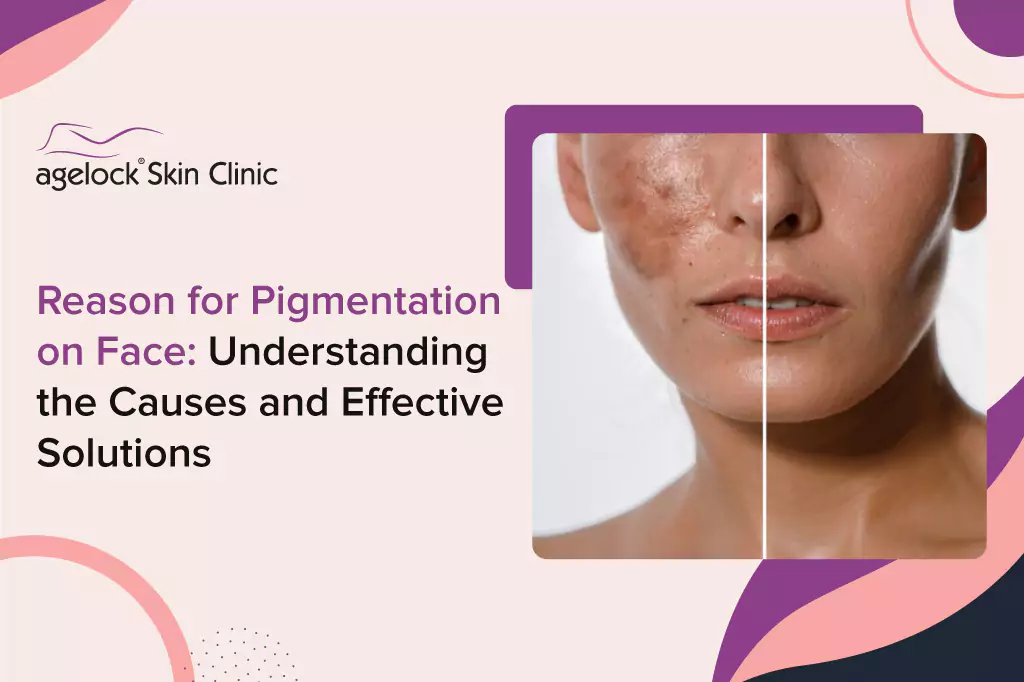
The third advantage of applying glycerin on your face is that it brightens and enhances the skin’s appearance and texture. Glycerin can help remove the dead skin cells and dirt that accumulate on the skin’s surface, making the skin look dull and uneven. Glycerin can also help fade dark spots and scars and improve the skin’s tone and complexion.
Prevents Signs of Aging
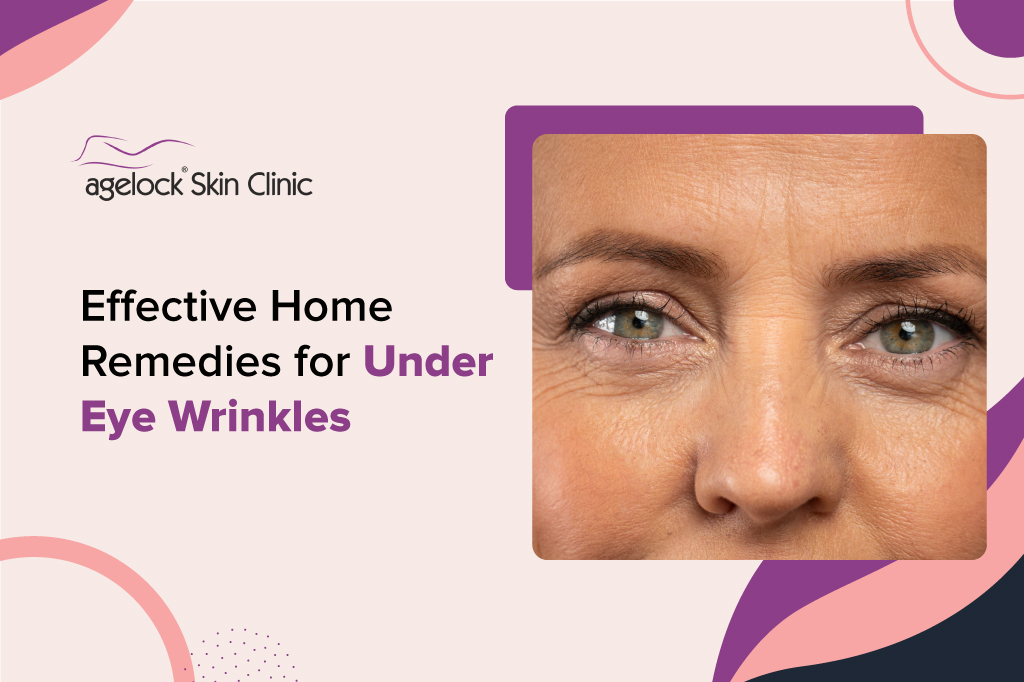
Glycerin’s remarkable moisturizing properties play a pivotal role in mitigating the appearance of fine lines and wrinkles. By deeply hydrating the skin, glycerin contributes to a more youthful and radiant complexion. Its ability to retain moisture aids in smoothing out the skin’s texture, diminishing the visibility of aging indicators. Regular application of glycerin can be a proactive step in maintaining skin elasticity and suppleness.
Acts as a Primer
In the realm of cosmetics, glycerin emerges as a versatile ally. When applied before makeup, glycerin acts as an effective primer. It creates a seamless canvas for makeup application, ensuring a smooth and even surface. The hydrating nature of glycerin not only enhances the adherence of makeup products but also prolongs their longevity. By incorporating glycerin into your beauty routine, you can elevate the overall finish and endurance of your makeup.
Soothes Sunburned Skin
Glycerin’s inherent healing properties extend their benefits to sunburned skin. Following sun exposure, glycerin provides a soothing touch, offering relief from redness and discomfort. Its moisturizing and calming attributes assist in rehydrating the skin, reducing the sensation of tightness associated with sunburn. Applying glycerin to sunburned areas can be a gentle and effective remedy, promoting a faster recovery and minimizing skin peeling.
Combats Acne
Contrary to prevailing beliefs, glycerin emerges as a beneficial ally for individuals with acne-prone skin. Its unique composition allows it to maintain optimal hydration levels without clogging pores. Glycerin works harmoniously to balance oil production, addressing a key factor in acne development. By preventing excessive dryness and promoting a well-moisturized environment, glycerin supports skin health and aids in the prevention of acne breakouts. Integrating glycerin into your skincare regimen can be a valuable step toward achieving a clearer and more balanced complexion.
How to Use Glycerin on Your Face
As a Hydrating Cleanser
- Mix a few drops of glycerin with your regular face wash as a cleanser and gently massage your face with it. Rinse with lukewarm water and pat dry.
As a Toner
- Mix a few drops of glycerin with rose water as a toner and apply it on your face with a cotton pad. Let it dry naturally, and follow with a moisturizer.
As a Moisturizer
- Mix a few drops of glycerin with your favorite plant oil, such as almond, coconut, or olive oil, and apply it on your face as a moisturizer. Massage gently and leave it overnight.
As a Brightening Mask
- Mix a few drops of glycerin with honey and lemon juice as a mask and apply it on your face. Leave it for 15 to 20 minutes and rinse with cold water.
Take away:
The main Advantages of Applying Glycerin on Face are that It can hydrate, heal, and brighten your skin and improve its texture and appearance. However, you should use glycerin with care and moderation, as it can dehydrate and irritate your skin if misused. Always dilute or use glycerin-containing products suitable for your skin type and needs. If you are looking for a consultation with a dermatologist, you can visit Dr Kohli at Agelock Skin Clinic in Chandigarh. Try glycerin today and see the difference it can make for your skin.
Frequently asked question
Is it safe to apply glycerin directly to your face?
Is it safe to apply glycerin directly to your face?
Yes, but always dilute it with rose water, aloe gel, or your moisturizer. Direct, undiluted glycerin may cause dryness or irritation.
Can glycerin make your skin glow?
Can glycerin make your skin glow?
Yes. Glycerin attracts moisture, smoothens texture, and removes dull, dead cells and giving your skin a natural, healthy glow.
Does glycerin help with acne?
Does glycerin help with acne?
Glycerin is non-comedogenic. It hydrates without clogging pores and prevents dryness-related breakouts, making it suitable for acne-prone skin.
Can I use glycerin every day?
Can I use glycerin every day?
Yes, if used in a diluted form. Daily use improves hydration, softness, and barrier function.
Is glycerin good for oily skin?
Is glycerin good for oily skin?
Absolutely. It balances moisture and prevents excess oil production, making it ideal for oily and combination skin.