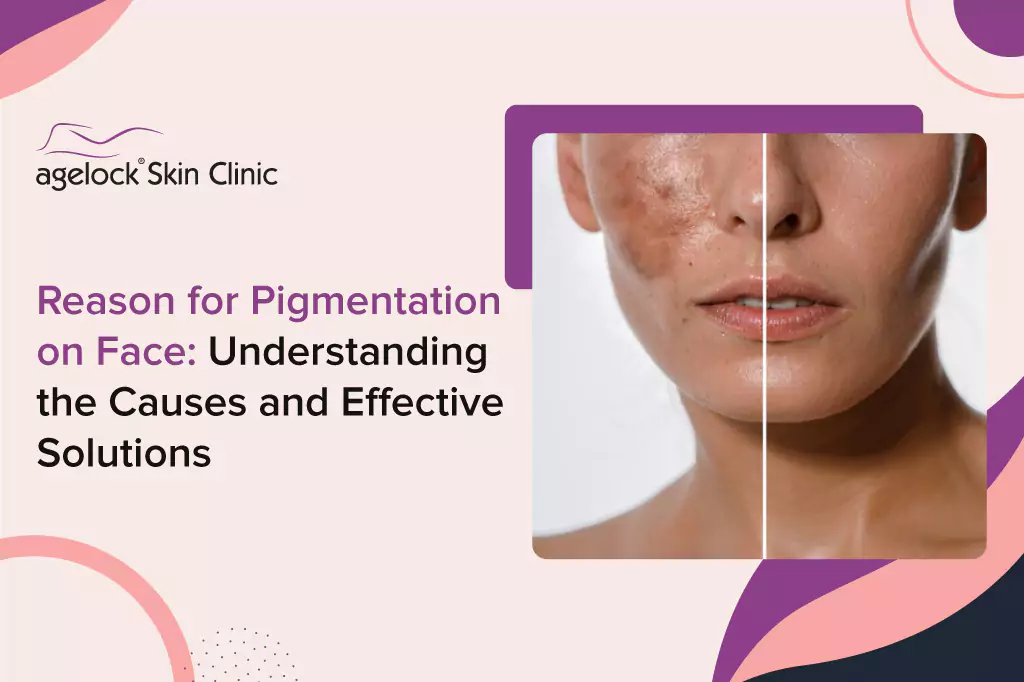
Pigmentation around the mouth is a common skin concern that affects people of all ages and skin types. It often appears as dark patches or uneven skin tone surrounding the lips and can make the face look dull or tired. While it is not a medical emergency, perioral pigmentation can impact confidence and is usually a sign that the skin needs targeted care. Understanding why it happens and how dermatologists treat it safely is the first step toward clear and even toned skin.
What causes pigmentation around the mouth
Pigmentation near the mouth rarely has a single cause. In most cases, it develops due to a combination of internal and external factors.
Hormonal imbalance is among the most frequent causes. Conditions such as melasma are often triggered by hormonal changes related to pregnancy, birth control pills, or thyroid issues. This type of pigmentation tends to worsen with sun exposure and may appear darker around the upper lip.
Sun exposure plays a major role in skin discoloration. The skin around the mouth is delicate and frequently exposed to ultraviolet rays. Without proper sun protection, melanin production increases, leading to darkening over time.
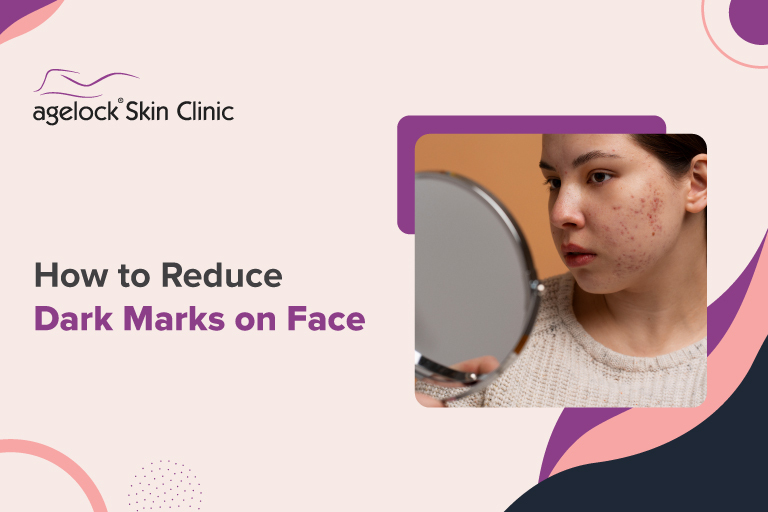
Post inflammatory hyperpigmentation is another frequent cause. Acne, rashes, eczema, or even repeated friction from waxing or threading can irritate the skin. Once the inflammation settles, dark patches may remain, especially in individuals with deeper skin tones.
Certain habits also contribute to pigmentation around the lips. Frequent lip licking, use of harsh toothpaste, smoking, and applying products not meant for facial skin can gradually affect the area. Nutritional deficiencies, especially a lack of vitamin B12 or iron, may also reflect darkening around the mouth.
How dermatologists diagnose the problem
Before starting treatment, dermatologists carefully evaluate the skin. A detailed history is taken to understand lifestyle habits, cosmetic use, sun exposure, and any hormonal or medical conditions. The pattern and depth of pigmentation help determine whether it is superficial or deeper within the skin layers.
In some cases, blood tests may be advised to rule out vitamin deficiencies or hormonal imbalances. This personalized approach ensures that treatment is both safe and effective rather than relying on temporary fixes.
Medical treatments for pigmentation around the mouth
Dermatologists offer several evidence based treatments depending on the severity and cause of pigmentation.
Topical creams are commonly used as the first step in treatment. Prescription formulations may include ingredients such as azelaic acid, kojic acid, niacinamide, vitamin C, or retinoids. These help reduce melanin production, improve skin cell turnover, and gradually lighten dark patches. Unlike over the counter fairness creams, dermatologist prescribed products are carefully balanced to avoid irritation.
Chemical peels are another effective option for perioral pigmentation. Mild peels using glycolic acid, lactic acid, or salicylic acid exfoliate the top layer of skin, allowing new, evenly toned skin to surface. When performed by a trained professional, chemical peels are safe and suitable for most skin types.
Laser treatment for pigmentation may be recommended in stubborn cases. Lasers target excess melanin without damaging surrounding skin. Dermatologists select the laser type based on skin tone to reduce the risk of post treatment darkening. Achieving the best results may require more than one session.
In some patients, oral medications or supplements may be prescribed to address underlying causes such as hormonal imbalance or nutritional deficiency. Treating the root issue is essential for long term improvement.
Importance of sun protection during treatment
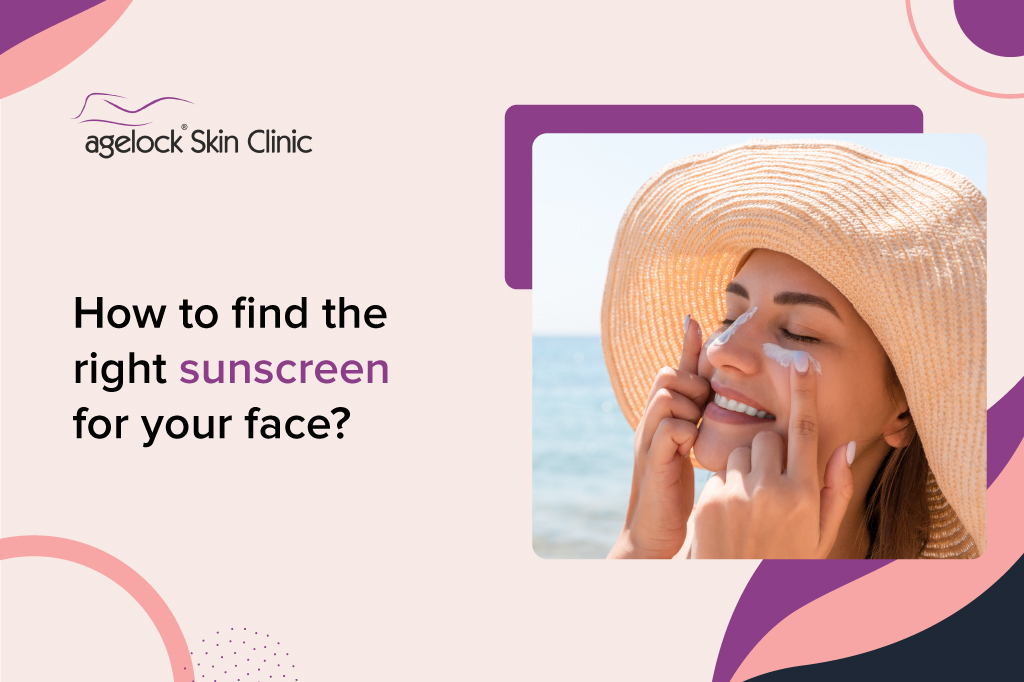
Sun protection is a non negotiable part of treating pigmentation around the mouth. In its absence, even the most effective treatments may not work. Dermatologists strongly advise using a broad spectrum sunscreen with adequate SPF daily, including indoors if there is sun exposure. Sunscreen should be applied around the mouth carefully and reapplied when needed.
Physical protection such as wide brim hats and avoiding peak sun hours also plays a key role in preventing recurrence.
Safe skincare practices to prevent worsening
Dermatologists emphasize gentle skincare to support treatment results. The skin around the mouth should be cleansed with mild, fragrance free cleansers. Scrubbing, frequent waxing, or the use of strong bleaching agents can worsen pigmentation and should be avoided.
Lip care also matters. Using a lip balm with sun protection and avoiding constant lip licking helps maintain the skin barrier. Choosing toothpaste without harsh flavoring agents may benefit those with sensitive skin.
Why home remedies are not always safe
Many people try home remedies like lemon juice, baking soda, or raw turmeric to lighten dark areas. While these may seem natural, they can irritate the skin and lead to further pigmentation. Dermatologists often see patients with worsened perioral hyperpigmentation due to such practices.
Medical supervision ensures that treatment is gradual, controlled, and safe for the skin type.
How long does it take to see results
Pigmentation treatment requires patience. Superficial pigmentation may show improvement within four to six weeks, while deeper pigmentation can take several months. Consistency with treatment and follow up visits is essential. Dermatologists adjust the plan as the skin responds to ensure steady improvement without damage.
When to consult a dermatologist
If pigmentation around the mouth is persistent, spreading, or accompanied by itching or redness, professional evaluation is advised. Early treatment not only improves results but also prevents the condition from becoming more difficult to manage.
Final thoughts
Pigmentation around the mouth is a common but manageable skin concern. With proper diagnosis, medical grade treatments, and consistent sun protection, dermatologists can safely restore an even skin tone. Avoiding shortcuts and trusting expert care makes a significant difference in achieving healthy, balanced skin that looks naturally radiant.