How long do skin rashes last?
How long do skin rashes last?
Most common skin rashes will start to clear up within a few days or two weeks with proper care.

Itchy, red, bumpy skin that won’t go away? Skin rashes affect millions, disrupting daily life with discomfort and embarrassment. If you’re dealing with sudden flare-ups or persistent irritation, you’re not alone. Skin rashes are common, but they are not a single condition. A rash may happen because of eczema, contact dermatitis, hives, heat rash, irritation, allergies, infection, or other skin diseases. The right fix depends on the cause, which is why rash care should start with identifying what triggered it.
Identifying a rash is the first step toward reclaiming your comfort. While many rashes look similar at a glance, subtle differences in texture and location can reveal the culprit. Skin rashes can develop due to multiple reasons. The most common causes include:
| Feature | Skin Rashes in Children | Skin Rashes in Adults |
| Main Causes | Viral infections, diapers, and new foods | Stress, medications, and chemicals |
| Common Areas | Face, skin folds, and the diaper zone | Hands, legs, and sun-exposed areas |
| Appearance | Bright red, moist, or tiny red bumps | Dry, thick, or scaly patches |
| Conditions | Diaper rash and hand-foot-and-mouth | Shingles and seborrheic dermatitis |
| Recovery | Heals quickly as skin cells renew fast | Heals more slowly and may need stronger care |
It is important to recognize that your mental health can directly affect your skin. When you feel very stressed, your body releases a hormone called cortisol. High levels of cortisol can make your skin more sensitive and trigger a new rash or make an existing one much worse. Many people find that their eczema or hives flare up during busy or difficult times at work or school. To help your skin stay clear, try to practice simple relaxation techniques. Getting enough sleep, taking short walks, and practicing deep breathing can lower your stress levels and give your skin a better chance to heal.
If your rash is mild, you can often find relief using items you already have in your pantry or medicine cabinet. The goal is to calm the inflammation and stop the itch.
Once your skin is clear, you want to keep it that way. Prevention is all about knowing your triggers and protecting your skin barrier. To do this, start by choosing fragrance-free products, as many soaps and lotions contain perfumes that irritate the skin. Always patch test new items on your arm first and look for “hypoallergenic” labels. You should also moisturize daily by applying a thick cream right after you shower to lock in water and prevent your skin from becoming dry or cracked. Additionally, wear loose clothing made of breathable fabrics like cotton to avoid the friction and irritation caused by tight fabrics. Finally, track your triggers by keeping a small diary of what you eat or the products you use when a rash appears, which will help you identify and manage your specific patterns.

When natural remedies are not enough, medical treatments can provide stronger relief. Seek a doctor if you notice any of these signs:
Doctors usually suggest these options based on how severe the rash is:
Relieving skin rashes is not just about treating symptoms. It’s about understanding the cause and following the right care routine. While the treatments and tips mentioned above provide a strong foundation for relief, the most important thing is to be consistent with your routine. A dermatologist can provide a specific diagnosis and offer stronger medical treatments that are tailored exactly to your needs. It is also helpful to remember that skin health is often a reflection of your overall well-being. Taking a proactive approach today will help you maintain clear, comfortable skin for the future.
Most common skin rashes will start to clear up within a few days or two weeks with proper care.
Yes, high levels of stress can trigger physical reactions like hives or make existing skin conditions worse.
You should visit a doctor if the rash spreads quickly, causes a fever, or looks like it is infected.
Most rashes are not contagious, but those caused by bacteria, viruses, or fungi can sometimes spread to other people.


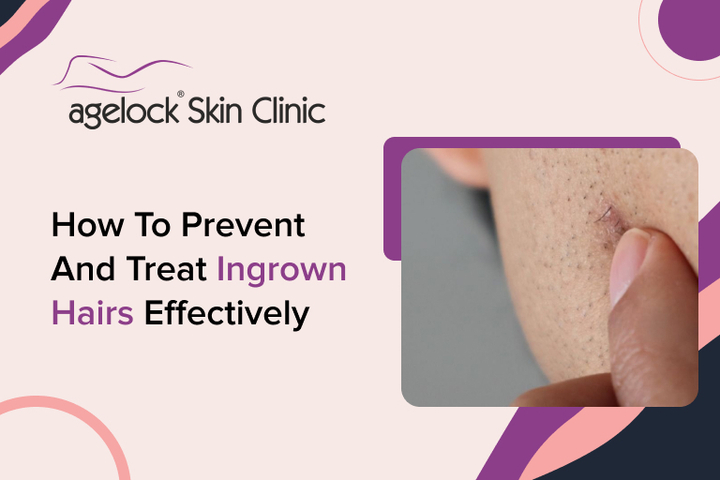
Ingrown hairs can be a frustrating and uncomfortable skin issue, often causing irritation, bumps, and even scarring. Whether you’re dealing with them after shaving, waxing, or just regular hair growth, understanding how to prevent and treat ingrown hairs effectively is essential for healthy, smooth skin. If left unchecked, they can lead to infections or persistent … Continue reading "How to prevent and treat ingrown hairs effectively"