MBBS, DHMS-Harvard, Masters in Clinical Dermatology
July 18th, 2026
Dark circles are one of the most common cosmetic concerns affecting both men and women. While lack of sleep is often blamed, under-eye darkening can develop due to several factors, including pigmentation, aging, genetics, allergies, and lifestyle habits. Because the causes vary from person to person, there is no single treatment that works for everyone. Modern cosmetology and dermatology offer advanced solutions such as laser treatments, mesotherapy, fillers, and pigmentation-focused procedures that can help improve the appearance of the under-eye area and support a more refreshed look.
What Is Under-Eye Darkening?
Under-eye darkening refers to the appearance of darker skin beneath the eyes compared to the surrounding facial skin. Commonly known as dark circles, this concern can develop due to pigmentation, genetics, aging, volume loss, poor sleep, allergies, or lifestyle factors. The appearance of dark circles varies from person to person, which is why identifying the underlying cause is important before choosing a treatment. Understanding what contributes to under-eye darkening helps determine the most effective approach for improving the under-eye area.
What Causes Under-Eye Darkening?
Understanding the cause of dark circles is the first step toward selecting the right treatment. Several factors can contribute to under-eye darkening.
Cause
How It Affects the Under-Eye Area
Pigmentation (Hyperpigmentation)
Excess melanin around the eyes can cause under-eye darkening and uneven skin tone, making the area appear darker than the surrounding skin.
Aging
Thinner skin and collagen loss make blood vessels and shadows more visible.
Genetics
Some people naturally develop darker under-eye pigmentation.
Volume Loss
Hollow areas beneath the eyes create shadows that resemble dark circles.
Lifestyle Factors
Lack of sleep, stress, and dehydration can make dark circles more noticeable.
Allergies
Inflammation and frequent eye rubbing may increase under-eye darkening.
Which Treatments Help Reduce Under-Eye Darkening?
Several advanced treatments may help improve the appearance of dark circles depending on the underlying cause.
Pico Laser
Pico Laser is commonly used to address pigmentation-related concerns. The laser delivers ultra-short pulses of energy that target excess pigment while supporting the skin’s natural renewal process.
Potential benefits include:
Improved skin tone
Reduction in pigmentation
Minimal downtime
Precise treatment targeting
Laser Toning
Laser toning helps reduce uneven pigmentation and improve skin clarity. It is often recommended for individuals whose dark circles are linked to increased melanin production around the eyes.
Meline Treatment
Meline is a specialized depigmentation treatment designed to address pigmentation concerns. It may help improve discoloration in the under-eye area while supporting a more even skin tone.
Mesotherapy
Mesotherapy delivers vitamins, antioxidants, and nourishing ingredients into the skin through targeted injections. This treatment may help improve hydration, skin quality, and overall under-eye appearance.
Hyaluronic Acid Therapy
Loss of hydration can make under-eye concerns appear more prominent. Hyaluronic acid helps attract and retain moisture within the skin, supporting a healthier and smoother appearance.
Dermal Fillers
When dark circles are caused by hollow under-eyes, dermal fillers may help restore lost volume. By reducing shadow formation beneath the eyes, fillers can improve the appearance of under-eye darkening.
Microneedling
Microneedling, also known as collagen induction therapy, creates controlled micro-injuries in the skin to stimulate collagen production. For some individuals, it may help improve skin texture, strengthen thin under-eye skin, and reduce the appearance of dark circles caused by aging or skin laxity.
How Do Laser Treatments Help With Dark Circles?
Laser treatments are among the most commonly recommended options for pigmentation-related dark circles.
These treatments work by targeting excess pigment within the skin while encouraging natural skin renewal. Depending on the individual’s concerns, treatments such as Pico Laser and Laser Toning may help:
Reduce pigmentation
Improve skin clarity
Support a more even complexion
Enhance overall under-eye appearance
In addition to reducing pigmentation, laser treatments can contribute to overall skin brightening by promoting a more even skin tone. This makes them a popular option for individuals seeking a fresher and more radiant under-eye appearance.
Which Dark Circle Treatments Target Different Concerns?
Different causes of under-eye darkening require different treatment approaches, which is why identifying the underlying concern is important.
Concern
Treatment
Pigmentation
Pico Laser, Meline
Uneven Skin Tone
Laser Toning
Hollow Under-Eyes
Dermal Fillers
Thin Under-Eye Skin
Microneedling
Dehydrated Skin
Mesotherapy, Hyaluronic Acid Therapy
A qualified cosmetologist or skin specialist evaluates the under-eye area to identify the underlying cause before recommending treatment. This helps create a personalized plan that targets the specific concern rather than simply treating the visible symptom.
What Are the Steps Involved in Dark Circle Treatment?
The exact treatment process depends on the selected procedure, but most treatment plans follow a similar approach.
Step 1: Consultation
The skin specialist examines the under-eye area and discusses medical history, lifestyle factors, and treatment goals.
Step 2: Skin Assessment
The dermatologist or cosmetologist evaluates pigmentation, skin quality, volume loss, and other contributing factors.
Step 3: Personalized Treatment Plan
Based on the findings, the most appropriate treatment or combination of treatments is recommended.
Step 4: Treatment Session
The selected procedure is performed using appropriate techniques and technology.
Step 5: Follow-Up Care
Aftercare instructions help support healing and optimize treatment outcomes.
Can You Prevent Under-Eye Darkening?
Although some causes of dark circles cannot be completely prevented, healthy habits may help reduce their appearance.
Tips to Support Healthy-Looking Under-Eyes
Use sunscreen daily
Stay hydrated
Get adequate sleep
Avoid excessive eye rubbing
Follow a suitable skincare routine
Manage allergies when possible
Limit smoking and excessive alcohol consumption
These habits can support overall skin health and complement professional treatments.
Conclusion
Under-eye darkening can result from several factors, including pigmentation, genetics, aging, volume loss, and lifestyle habits. Because the underlying cause varies from person to person, successful treatment often requires a personalized approach. Modern solutions such as Pico Laser, Laser Toning, Meline, mesotherapy, hyaluronic acid therapy, and dermal fillers provide multiple ways to address different types of dark circles. Identifying the root cause and selecting the right treatment plan can help improve the appearance of the under-eye area and support healthier-looking skin.
Frequently asked question
What causes under-eye darkening?
What causes under-eye darkening?
Under-eye darkening may result from pigmentation, genetics, aging, volume loss, allergies, lack of sleep, or lifestyle factors.
Which laser treatment is used for dark circles?
Which laser treatment is used for dark circles?
Pico Laser and Laser Toning are commonly used to address pigmentation-related dark circles and uneven skin tone.
Can dark circles be treated without surgery?
Can dark circles be treated without surgery?
Yes. Many dark circles can be managed with non-surgical treatments such as lasers, mesotherapy, fillers, and depigmentation therapies.
How many sessions are needed for dark circle treatment?
How many sessions are needed for dark circle treatment?
The number of sessions depends on the cause of the dark circles, the treatment selected, and individual skin response.
Are dermal fillers used for dark circles?
Are dermal fillers used for dark circles?
Yes. Dermal fillers may help improve dark circles caused by volume loss and hollow under-eyes.
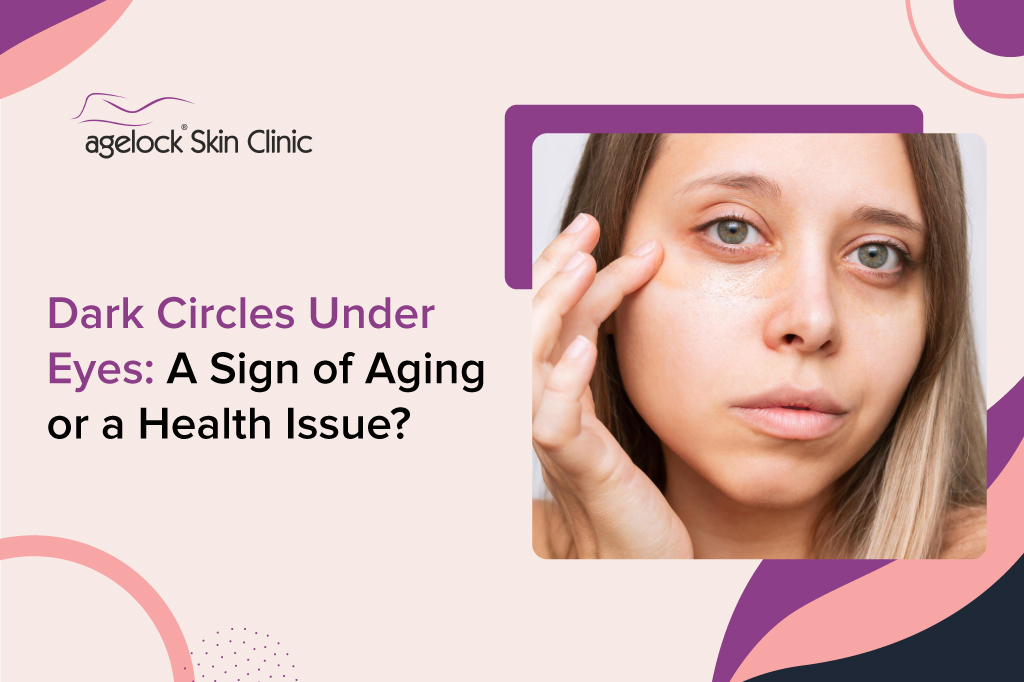
Dark circles under the eyes might be a usual concern for a lot of people. They can make you look tired and older and affect your overall appearance. Dark Circles often lead to the question: is it a sign of aging or a health issue? In this blog post, we will explore the various types … Continue reading "Dark Circles Under Eyes: A Sign of Aging or a Health Issue?"
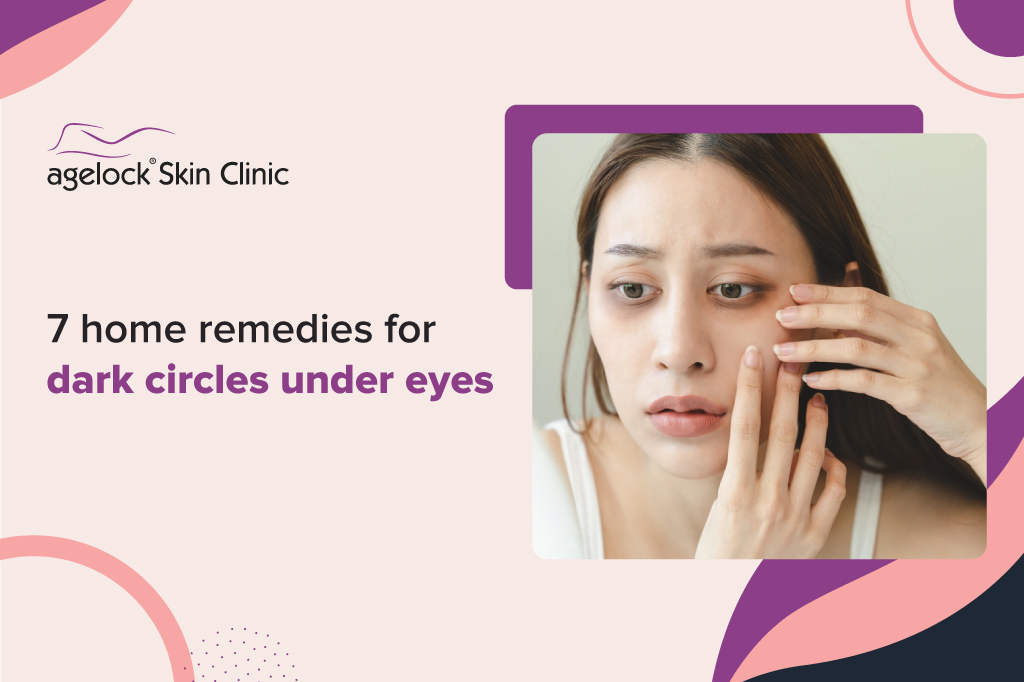
Dark circles under eyes look like dark, discolored patches beneath the lower eyelids. These shadows can give the appearance of tiredness, stress, or even age beyond one’s years. According to a study by the American Academy of Dermatology, it is estimated that up to 50% of adults experience dark circles under their eyes at some … Continue reading "7 home remedies for dark circles under eyes"