MBBS, DHMS-Harvard, Masters in Clinical Dermatology
July 21st, 2026
Hair loss affects millions of men and women worldwide and can occur gradually or suddenly depending on the underlying cause. While some people experience mild hair thinning, others may develop noticeable bald patches or permanent baldness over time. Fortunately, modern hair restoration treatments offer several options to manage hair loss and improve hair density. From non-surgical treatments such as PRP and GFC to advanced hair transplant procedures, understanding the available options can help you choose the most suitable approach for your hair restoration goals.
What Is the Difference Between Hair Loss and Baldness?
Hair loss refers to excessive shedding or thinning of hair that reduces overall hair density. Baldness occurs when hair follicles stop producing healthy hair growth in certain areas, leading to permanent hair loss.
While some forms of hair loss can improve with non-surgical treatments, advanced baldness may require a hair transplant to restore hair growth in affected areas.
What Causes Hair Loss and Baldness?
Several factors can contribute to hair thinning and baldness.
Cause
How It Affects Hair Growth
Genetics
Can lead to male or female pattern baldness.
Hormonal Changes
May disrupt the natural hair growth cycle.
Stress
Can trigger excessive hair shedding.
Nutritional Deficiencies
May weaken hair follicles and affect growth.
Medical Conditions
Certain illnesses can contribute to hair loss.
Aging
Hair density often decreases with age.
Identifying the underlying cause is important because different types of hair loss require different treatment approaches.
What Treatment Options Are Available for Hair Loss?
Several modern treatments can help manage hair loss depending on the severity of the condition.
PRP Hair Treatment
Platelet-Rich Plasma (PRP) uses concentrated platelets from the patient’s own blood to support scalp health and hair follicle activity. It is commonly recommended for early-stage hair thinning.
GFC Treatment
Growth Factor Concentrate (GFC) treatment uses isolated growth factors derived from the patient’s blood. These growth factors help support hair follicles and may reduce ongoing hair fall.
Mesotherapy for Hair Loss
Mesotherapy delivers vitamins, minerals, and nutrients directly into the scalp. This treatment aims to improve scalp health and create a better environment for hair growth.
Hair Transplant
Hair transplant procedures move healthy hair follicles from donor areas to areas affected by hair loss or baldness. Unlike non-surgical treatments, a hair transplant can restore hair in areas where follicles no longer produce healthy hair growth.
Hair Loss Treatments vs Hair Transplant: What’s the Difference?
Treatment
Best For
Can Restore Hair in Bald Areas?
PRP
Early hair thinning
No
GFC
Mild to moderate hair loss
No
Mesotherapy
Hair weakening and scalp nourishment
No
Hair Transplant
Advanced hair loss and baldness
Yes
Non-surgical treatments primarily help preserve existing hair and improve follicle health, while hair transplant procedures restore hair to areas affected by permanent hair loss.
What Is Hair Transplantation?
Hair transplantation is a hair restoration procedure that relocates healthy hair follicles from a donor area, usually the back or sides of the scalp, to areas affected by hair loss or baldness. Unlike treatments that focus on preserving existing hair, a hair transplant restores hair growth in areas where follicles have become inactive. Modern techniques such as FUE, FUT, and DHI aim to create natural-looking results by placing transplanted follicles in a way that matches the patient’s existing hair growth pattern.
Hair loss continues despite non-surgical treatments
Bald patches become more noticeable
Hair follicles stop producing healthy hair growth
Hair density has significantly reduced
A stable donor area is available
A professional scalp assessment helps determine whether a hair transplant is appropriate or if non-surgical treatments should be considered first.
How Does a Hair Transplant Work?
Modern hair transplant procedures use healthy follicles from areas of the scalp where hair growth remains strong.
Step 1: Consultation and Hair Analysis
The specialist evaluates hair loss patterns, donor area quality, and treatment goals.
Step 2: Donor Hair Extraction
Healthy hair follicles are carefully extracted from the donor area.
Step 3: Recipient Area Preparation
The specialist prepares the areas where new hair will be placed.
Step 4: Follicle Implantation
The extracted follicles are implanted into areas affected by hair loss or baldness.
Step 5: Recovery and Growth
The transplanted follicles gradually establish themselves and begin producing new hair growth over time.
What Are the Different Types of Hair Transplants?
Several hair transplant techniques are available, and the most suitable option depends on the pattern of hair loss, donor hair availability, and treatment goals.
The specialist extracts individual hair follicles from the donor area and implants them into areas affected by hair loss.
Minimal scarring and faster recovery.
FUT (Follicular Unit Transplantation)
The specialist removes a strip of scalp from the donor area and separates it into follicular units for transplantation.
Can provide a larger number of grafts in a single session.
DHI (Direct Hair Implantation)
The specialist extracts follicles and implants them directly using a specialized implantation tool.
Greater control over the angle and placement of transplanted hair.
Clinics also offer robotic hair transplantation, which uses advanced imaging and robotic assistance to help identify and extract suitable hair follicles. While the surgeon still plans and oversees the procedure, robotic technology can improve precision and consistency during certain stages of the transplant process.
What Are the Potential Side Effects of a Hair Transplant?
Hair transplant procedures are generally well tolerated, but some temporary side effects can occur.
Common side effects may include:
Mild swelling
Temporary redness
Scalp tenderness
Minor itching
Temporary shedding of transplanted hairs
These effects usually improve as the scalp heals.
Conclusion
Hair loss and baldness can develop for many reasons, and the best treatment depends on the severity of hair loss and the condition of the hair follicles. PRP, GFC, and mesotherapy can help support existing hair and manage early-stage thinning, while hair transplant procedures restore hair in areas affected by permanent hair loss. Understanding the strengths and limitations of each option can help determine whether a hair transplant is the right solution for your long-term hair restoration goals.
Frequently asked question
Is a hair transplant permanent?
Is a hair transplant permanent?
Transplanted hair follicles typically continue to grow naturally, making hair transplant results long-lasting for most patients.
Can PRP or GFC replace a hair transplant?
Can PRP or GFC replace a hair transplant?
PRP and GFC can support existing hair follicles, but they cannot restore hair in areas where follicles no longer produce hair.
How long do hair transplants really last?
How long do hair transplants really last?
Hair transplants can provide long-lasting results because the transplanted follicles typically come from DHT-resistant areas of the scalp and continue to grow naturally after transplantation.
Is it painful to recover from a hair transplant?
Is it painful to recover from a hair transplant?
Most people experience only mild soreness, tightness, or minor swelling during the recovery period, which usually improves within a few days.
Hair fall is a common concern that affects people of different ages and can occur due to genetics, hormonal changes, stress, nutritional deficiencies, medical conditions, or lifestyle factors. While temporary shedding is normal, persistent hair loss may gradually reduce hair density and affect confidence. Modern hair restoration treatments focus on addressing the underlying causes of … Continue reading "GFC Treatment for Hair Fall: How It Helps Manage Hair Loss"
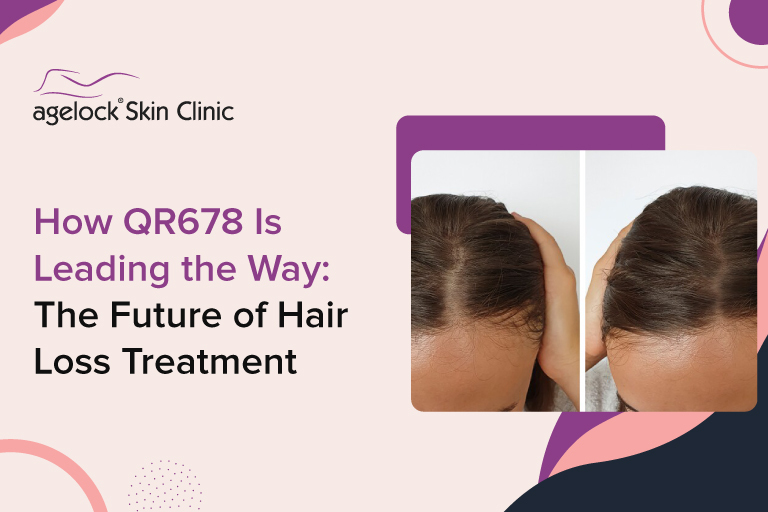
Hair loss is a significant concern for many individuals, with millions worldwide struggling with hair thinning, excessive hair fall, and conditions like male pattern baldness. Traditional treatments have often been invasive, expensive, or come with side effects. QR678 hair treatment, a groundbreaking innovation that offers a non-invasive, effective solution for stimulating hair growth and addressing … Continue reading "How QR678 Is Leading the Way: The Future of Hair Loss Treatment"